

http://www.etsy.com/shop/MacGregorArt
http://fineartamerica.com/profiles/marilyn-macgregor.html
http://www.marilynmacgregor.com/
http://www.behance.net/marilynmacgregor/frame
| artsmarttalk.com |
|
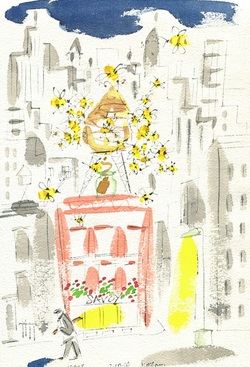
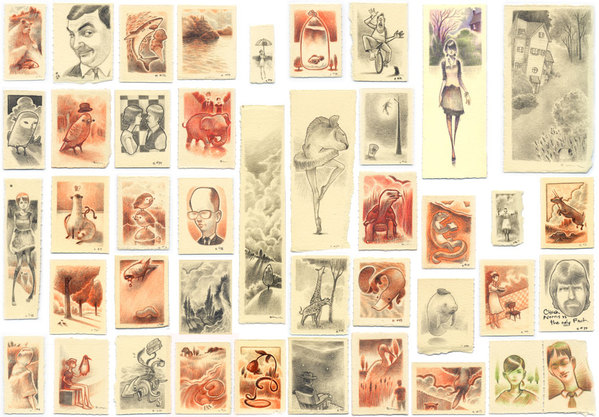
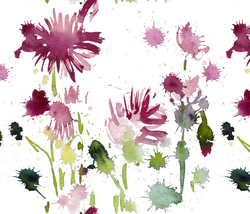
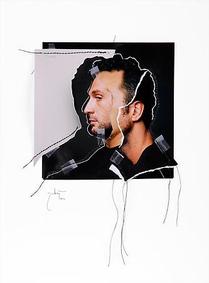
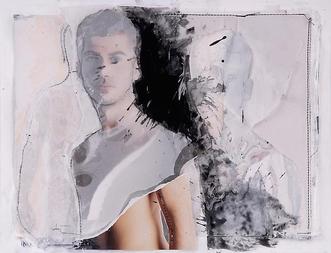
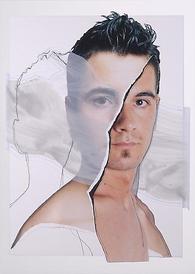
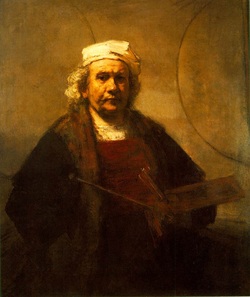
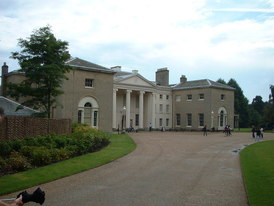
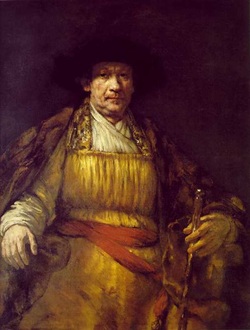
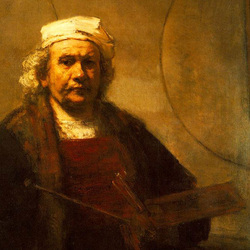
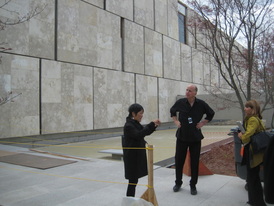
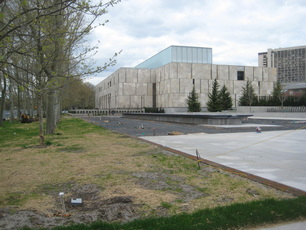
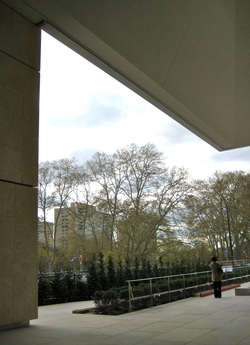
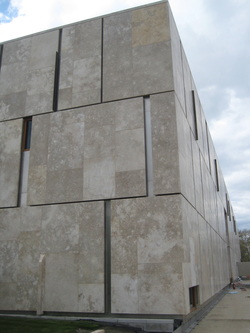
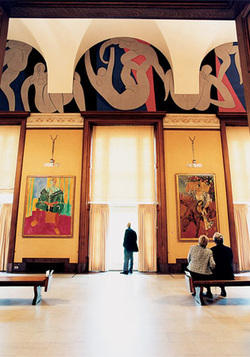
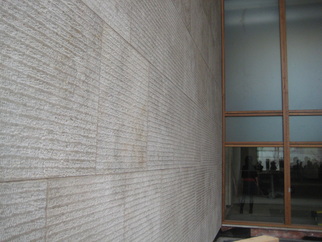
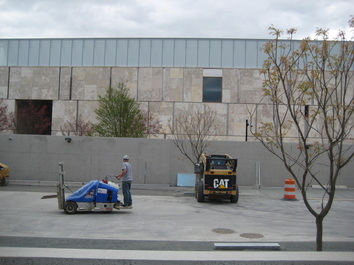
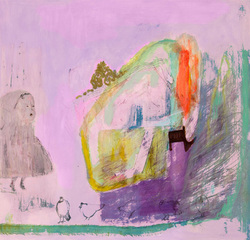
![]() Anna Gonzalez on Etsy It's not that hard to call yourself an artist - the word has become almost meaningless. Being an artist, however, is still not easy, and making a living as one is as tricky as it's ever been - maybe more so. Galleries are invaluable - as in Philadelphia's Old City area, good galleries and dealers can center the energy of a lively, thriving arts scene and provide vital community spaces. It can be tough, though, for an artist to find the right one or to find one at all. But thanks to the technology we all love/hate, there are lots of opportunities for artists - and for viewers and collectors - that didn't exist before. ![]() Marilyn MacGregor on Etsy So this blog post is dedicated to working artists who engage with the promise and potential of online galleries as the newest way to get their work noticed and, with luck, sold. A disclaimer: I'm on that list. I'm a believer in social media as a living community, and in the opportunities made available by online art spaces - my participation is a vote for these avenues as a good thing for human and arts interactions. ![]() Sally Mara on Etsy You probably know the biggest of these sites - Etsy. Etsy, which got started in 2005 (it has a Wikipedia page, surely a mark of success!) is well-known as the go-to site for charmingly hand-crafted home decor, clothing, kid's stuff and objets in general. It also allows vintage sellers and craft suppliers. What you may not know is that there are a lot of very good artists on Etsy, often successful illustrators or gallery artists who like having a way to sell lower cost prints or even originals direct from their studios. Fine Art America is another big site, one that is more focused on 'fine art.' There's a lot of very amateur and questionable work to sort through, unfortunately, but it's worthwhile taking a careful look - you can find truly 'fine' artists on FAA offering their work as low priced prints and cards. Behance is another quality online portfolio site, this time geared towards illustrators and graphic artists - some really amazing things. Some of the work is for sale, or you can find links to where you can purchase prints. Major illustrators and designers show their work on Behance - as with all these sites, you can show your appreciation for impressive skill and imagination with a comment or a click on a button. ![]() My card for the Surtex Show in May in NY Recently I've been working with agent Kimberly Montgomery of Montage Licensing on designs and illustration work for the Art Licensing field, including paper, textile, and other uses. In the course of learning more about this field I've discovered another fun site where you can find original art, this time in the form of fabric designs. The site is called Spoonflower - you'll have a great time browsing through an abundance of original designs by real artists. You can purchase these unique fabrics for a single pillow or a complete overhaul of your upholstery! ![]() Cestlaviv - Vivian Ducas on Spoonflower Most artists by nature are multi-taskers. These sites are a few of the ways that they can show their work in more than one dimension and for multiple purposes. It's a huge opportunity for buyers too. It may take a little patience to sort through and find favorites, but life is like that - and it can be fun and very rewarding. You'll be looking at art and artists from all over the world. (Anna Gonzalez - at the top of the page - lives in the Canary Islands) I've included some examples from each of these sites, chosen almost at random in a search for high quality and my own taste, with links to the work on the sites (click on the images). I've also included my links - please click on them to take a look and leave me a comment or a click! http://www.etsy.com/shop/MacGregorArt http://fineartamerica.com/profiles/marilyn-macgregor.html http://www.marilynmacgregor.com/ http://www.behance.net/marilynmacgregor/frame 2 Comments ![]() Estudio para Juan Miguel Juan - Compuestos Photography can be a passive medium, and photography presented as art can sometimes seem only inches away from what anyone can do with a digital camera and a sunny day. Rarely are there sensual clues - surface technique or obvious texture - as in other mediums. A fine eye and quick reflexes often make the difference between the ordinary and the significant in photography, but such nuances may be missed or taken for granted. German Gomez, whose work is currently at Bridgette Mayer Gallery in Philadelphia, is not so subtle. ![]() Retrato III His large format portraits of men take different forms and address different issues, but all are bold statements enhanced in some way by subtractive or additive manipulation, including cutting, stitching and collage. Gomez, who is from Madrid, appears to have chosen his subjects for their dark-eyed, romantic good looks; even jagged alterations to faces and bodies fail to mar a sturdy attractiveness. ![]() Fichado y Tatuado 1042 A section of the show called 'Tatuados' (Tattooed) features 'fichados' - men with police records - posed with the insouciance of fashion models while flaunting memorable, delicately drawn tattoos; the hard facts of their police identities under the photos both contradict and emphasize the beauty of the images. ![]() Robert Peter Marc - Compuestos Gomez's Compuestos (Composed) series, as the title implies, includes collaged portraits that incorporate different angles of the same face, evoking a surreal play of mental and physical identity. Some portraits make use of stitching with black thread and translucent layers, a rich effect with endless possibilities, while others have a harsher, more insistent push into the macabre. Gomez's work is provocative and at times unsettling, yet it never relinquishes a enduring sense of clean magnetic beauty. http://www.bridgettemayergallery.com/exhibitions Images courtesy of the Bridgette Mayer Gallery ![]() Self-Portrait with Two Circle 1661 Kenwood House Rembrandt is no stranger to New York, but another masterpiece is always welcome. One of his greatest self-portraits just moved into the Metropolitan Museum for a visit - only a few weeks, but we'll take it. This sublime late work comes from Kenwood House, London, a grand 'stately home' once owned by a scion of the Guiness family, somewhat modest on the outside but with a bounty of graceful rooms remodeled by Robert Adam in the early 18th century, a fabulous art collection and, apparently, a leaky roof or other pressing needs that require it to be closed for some time. ![]() Kenwood House, London I was in London for Christmas about a year ago and by chance stayed near Hampstead Heath, the vast, mythic park where Kenwood House is located. I hadn't even heard of the place before I arrived, but you can be sure that as soon as I did I pulled on my boots, wrapped up in a warm scarf, and tromped across the windy expanse to get there. I treasure the memories of that day, a chilly but glorious catalog - ducks on a frozen pond, bare regal trees against a lowering grey sky, family groups and brave stragglers, most with big dogs, footing made treacherous by both mud and ice, confused signposting finally resolved by a stranger's phone gps, then a stile and a small marker: Kenwood House this way. ![]() Inside Kenwood House And at the end, like Oz at the end of the yellow road, this amazing repository of art, a collection that would more than hold it's own in any museum in the world. (Of course, after that trek, the teashop came first - warm filling soup, good bread, and well ... tea.) I'm glad that the house is being maintained and repaired, and how nice of the English Heritage society that now owns the house to share the Rembrandt and other works while they go about their business. (The Rembrandt will join the rest of the collection for an traveling exhibition after the New York stay.) ![]() Self-Portrait 1658 Frick Collection Rembrandt's 90 self-portraits, more than any other artist, are an incomparable treasure and record of his art and life, but this one is one of the greatest. Dating from 1661, after wrenching ups and downs in his personal and financial life and only 8 years before his death at 63, it's a near companion of his sublime 1658 self-portrait, permanently in residence at the Frick a few blocks away on Fifth Avenue. Done in Rembrandt's bold brushy late style, both are richly, deeply profound - at once examinations of a single man, the artist by practice and idea, and all of human nature. The Kenwood Rembrandt, titled Self-Portrait with Two Circles, is one of several self-portraits that show him as an artist - it is him, rather than him dressed in costume or affecting a pose or expression. (In the Frick painting he is a regal character in a voluminous robe holding a scepter-like cane - the Frick description rightly includes the word 'majesterial.') ![]() Self-Portrait with Two Circles (detail) In the 1661 self-portrait he is as worn as an old piece of leather, dressed in cap and cape to keep warm while he works. He confronts us with a clear-eyed look of assurance, perhaps even defiance, and holds his tools, sketched so loosely that they are as much idea as fact, so we can't miss them. The circles on the wall behind him are the subject of some speculation; one opinion is that they are the first strokes of a globe, a motif linked to Dutch world trade that often appeared in paintings of the time. I prefer another idea: these are the circles of Apelles, court painter to Alexander the Great, who set the bar for artists ever afterward by drawing a perfect circle with one unbroken stroke. The challenge is recalled throughout art history as the ultimate challenge of skill, control, and confidence. At this point in Rembrandt's life his only competition was himself; the world had done its best to beat him and subdue him, but here he is, still at work, and painting rings around any other living artist - and most who came after. ![]() Billie Tsien and Tod Williams The new Barnes Foundation on the Ben Franklin Parkway in the center of Philadelphia will be open in just a few weeks - May 19 is the kickoff date for members. After all the controversy and (much ridiculous) ranting and raving, the storied collection is being hung, and workers are scrambling to finish up construction and landscaping. I had the good fortune to be on a tour last week with Tod Williams and Billie Tsien, the architects for the building, so here's a first-hand preview. ![]() from the Parkway side The new building is miles away, figuratively as well as literally, from the 1922 Beaux Arts building designed by Paul Cret in Lower Merion. This isn't bad - it's good. The old building is beautiful, but served a different time and audience. The new building is clean, elegant, spacious, and full of light, with spaces tailored for use by a broader public than ever saw the Barnes Collection in its original home, including an auditorium, classroom, library and a lounge with a café. A gallery for temporary exhibits and a well-appointed, up-to-date conservation studio expand the purposes and possibilities. The dramatic center of the new building is a light-filled hall that divides and connects, with the entrance areas and new gallery on one side and the revered collection, intact and carefully preserved in galleries that precisely reproduce the old experience in letter and spirit, on the other. ![]() The terrace with cantilevered overhang This high, wide central atrium space leads onto a terrace under a cantilevered overhang, meeting the garden setting for the building and allowing for a pleasantly veiled view of the busy city beyond the trees. ‘A Gallery in a Garden’ was the architect's mantra, one they fulfilled in large and small ways on all sides of the building. One garden is even inside, opening to the sky to bring in light and air to lower level spaces where people will congregate. Along the Parkway a long section with a rectangular fountain will be an open public garden. ![]() The facade mosaic The building is faced with smooth limestone slabs of varying size, fitted into a mosaic spaced with slits and windows. Crowning the roof is a frosted glass clerestory that softens the geometric shape against the sky and brings an abundance of filtered light into the interior spaces. The exterior stone, a soft golden color and almost soft to the touch, is also inside - in places chipped by hand in a regular/irregular pattern the architects call ‘cuneiform,’ and in others given a different texture that quietly bounces the natural light. The architects' attention to materials that have meaning as well as aesthetic appeal is also evident in the wooden floor of the central hall. Laid in a herringbone pattern of varying tones, the boards are recycled from the old Coney Island Boardwalk in New York! ![]() Inside the old Barnes (soon to be inside the new) Huge wood framed windows with mullions looking into the galleries from the hall are a reminiscent feature that visitors to the old Barnes will recognize; here though, for the most part, the windows won't be shaded. We weren't allowed into the galleries on our tour, but we could glimpse a few frames and ... yes, Barnes’s beloved gadgets on the... yes, burlap covered (or what looks like it) - walls. Apparently there are a few changes that will enhance the galleries such as higher ceilings, but nothing noticeable - we were assured that the maximum difference in the hanging of any of the works would be 1/8 inch. ![]() The 'cuneiform' pattern on the stone The building systems, unseen but essential, are a testament to modern technology; the Barnes has been awarded a LEED Platinum certification for energy efficiency, the highest rating possible and a rare achievement. The collection will benefit in a number of ways, including a shade system to precisely regulate light to ensure the best levels for the paintings at any given time. ![]() almost there Standing back from the building I once again had a chance to consider how thoughtfully and well the design balances respect with innovation, inside and out. (I had had the same thought on seeing the plan presented in 2009 at a public meeting.) The façade with its irregular mosaic pattern could be a metaphor for Barnes’ own eclectic philosophy. A careful, logical plan with beautiful materials, both mellowed and energized by irregularly sized openings - personal preferences, artistic choices, various cultural traditions, a mix of unexpected elements. All building photos by Marilyn MacGregor (no inside photos were allowed) http://www.barnesfoundation.org/ |